Stories
Every story in garelia
All stories from the four sections in one place: art, galleries, design and interior, newest first within each section.
16 stories across 4 sections
01
Art
How to stand in front of a painting, what a price actually contains, why paper is afraid of light, and how the first work you buy changes the way you see the rest.

How to Read an Abstract Painting
There is nothing to get. There is a great deal to see, and most of it takes four minutes, two distances and one question you are allowed to ask out loud.
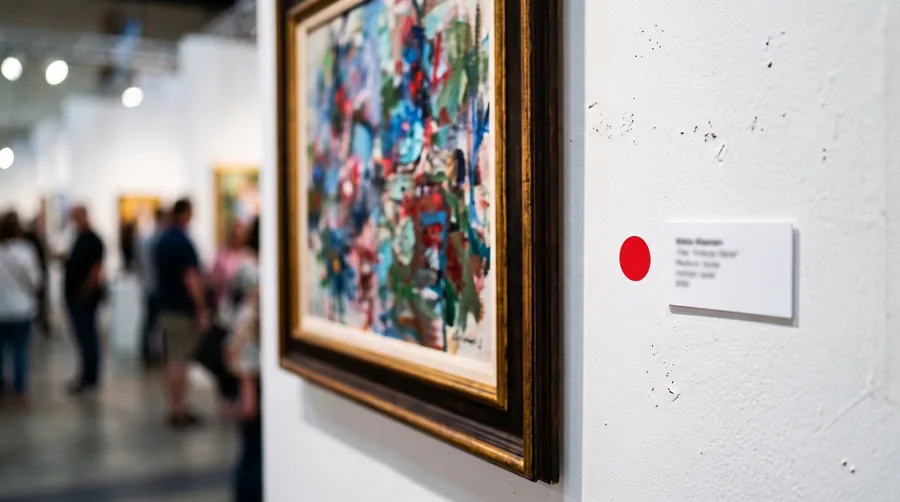
The Anatomy of a Price
Six thousand euros for a canvas is not a number somebody felt like. It is the sum of a size, a career stage, a gallery share, a tax and a strategy, and every part can be asked about.
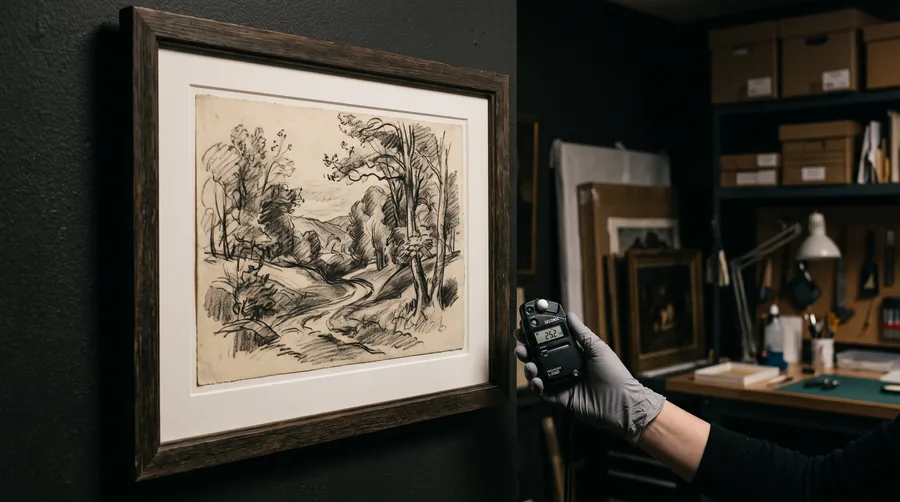
Paper Is Afraid of Light
Drawings, prints and photographs are the works most people buy first and damage first. The damage is slow, invisible for years and permanent. Fifty lux, museum glass and a mat that costs more than you expected.

The First Work You Buy
It will be smaller than you imagined, cost more than you planned once the frame is paid, and hang in the wrong place for a year. Buy it anyway, from a gallery, with an invoice, after looking at a hundred others.
02
Galleries
What a gallerist does all day, where the white cube came from, how to survive an art fair with your judgement intact, and why galleries cluster in the same three streets of every city.

What a Gallerist Actually Does
Not selling, mostly. Waiting, paying, shipping, arguing with museums, writing emails nobody answers, and once every few years being right about somebody before anyone else was.

The White Cube and Its Children
The white room with the grey floor was an invention, not a default. A century on, galleries are moving into churches, factories and bakeries, and the reasons say a lot about what art is now asked to do.

How to Survive an Art Fair
Three hundred booths, four thousand works, one afternoon. A plan for seeing well, buying calmly and leaving before your judgement does.

Why Galleries Cluster in the Same Three Streets
Chelsea, the Marais, Auguststrasse, Cork Street: gallery districts form for reasons that have almost nothing to do with art and everything to do with rent, foot traffic and the walking habits of people with money.
03
Design
What turns a chair into a classic, how to tell an original from a reissue and a reissue from a fake, why the lamp decides the room, and which materials get better as they get older.
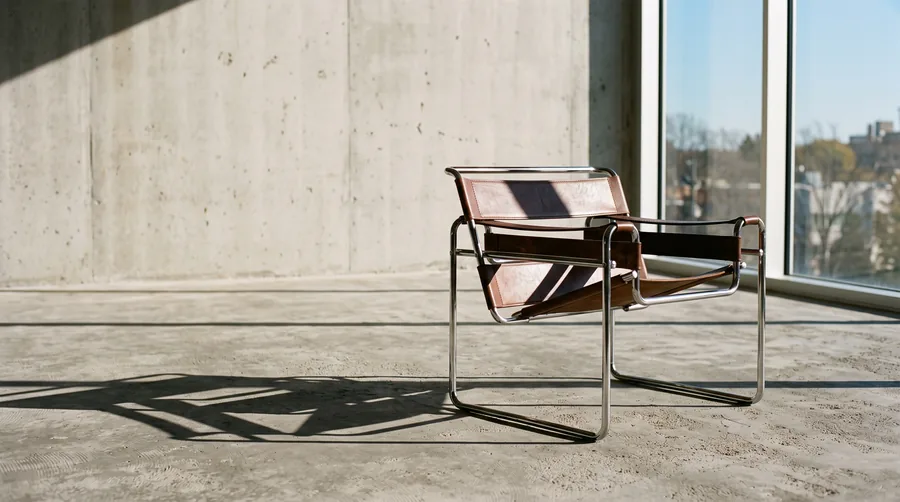
What Makes a Chair a Classic
Not fame, not age, not a museum. A classic is an object that solved a problem so completely that sixty years of imitation could not improve on it, and that is still made the way it was drawn.

Original, Reissue, Fake
Three chairs, one shape, prices a decade apart. The marks under the seat, the weld on the frame and the weight in your hands tell them apart, and so does the invoice.

The Lamp Decides the Room
Furniture is what a room contains. Light is what a room is. The one object worth over-spending on is the one that is switched on after dark, and the classics of lighting are classics because they understood that.

Materials That Age Well
Some surfaces record their life and become handsome. Others record it and become shabby. Knowing which is which before you buy is the difference between an object at sixty and a replacement at six.
04
Interior
Hanging height, gallery walls without the chaos, light that flatters a painting without cooking it, and how to take the colours of a room from the canvas rather than the catalogue.
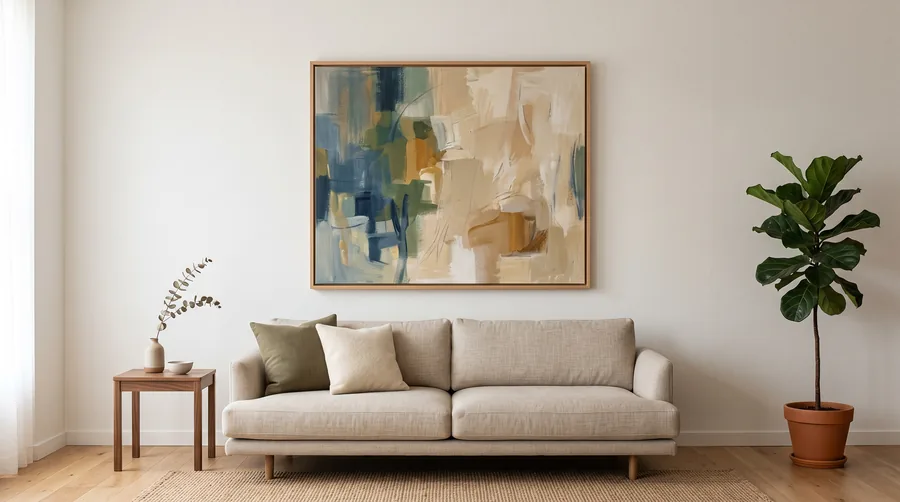
How to Hang Art at Home
Most pictures in most homes hang fifteen centimetres too high, because the person on the ladder was standing up and the person who looks at them is sitting down. The 150 centimetre line fixes it. So do six more rules.

The Gallery Wall Without the Chaos
Eleven frames on one wall can look like a collection or like a flea market. The difference is one rule, held everywhere, and an afternoon with paper templates and masking tape.

Light for Living with Art
A gallery lights a painting to be seen. A home has to light it to be seen and lived with and not destroyed. Thirty degrees, ninety on the colour index, two thousand seven hundred kelvin and a dimmer.

Colour from the Canvas
The wall colour of a room that lives with art is not chosen from a chart. It is lifted from the work: the quiet tone in the background of the painting, taken to the walls at a lower saturation, and the loud tone left to the painting.