Art · Looking
How to Read an Abstract Painting
There is nothing to get. There is a great deal to see, and most of it takes four minutes, two distances and one question you are allowed to ask out loud.
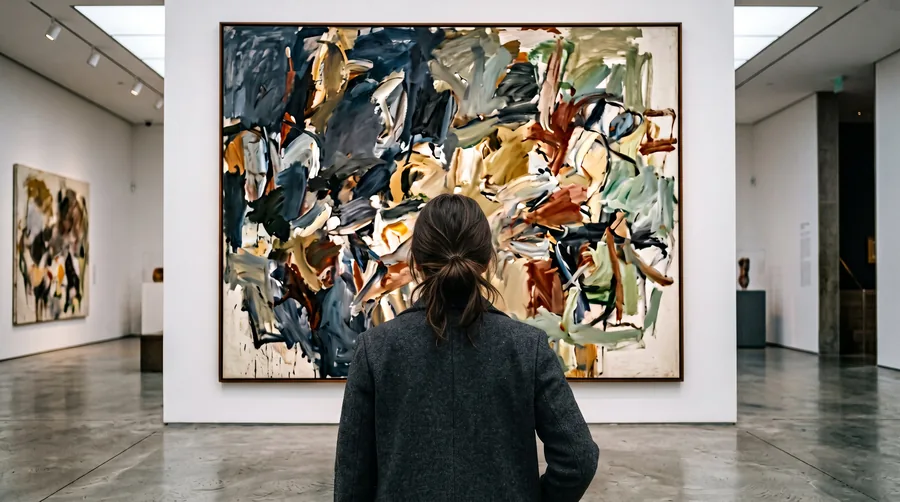
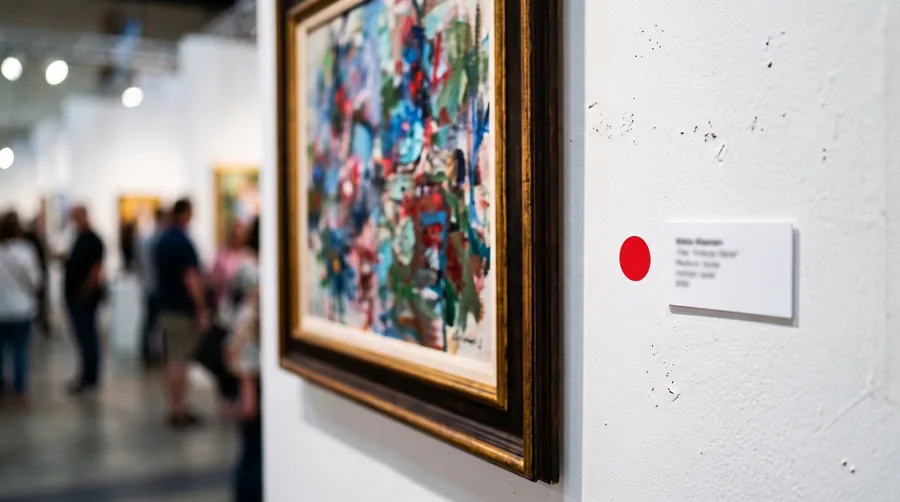
The average museum visitor spends between fifteen and thirty seconds in front of a painting, and roughly half of that reading the label. Abstract painting suffers most from this, because it offers no story to check against the caption. People glance, feel vaguely accused of missing something, and move on. The accusation is unfounded. An abstract painting is not a puzzle with a solution. It is an object with a surface, a history and a scale, and all three can be read by anyone willing to stand still.
Two distances
Start far away. Ten steps back, or as far as the room allows. At that distance you see what the painter saw last: the whole composition, the weight of the colours, whether the picture sits or floats, where your eye enters and where it is sent. Notice which corner is heaviest. Notice whether the painting has a horizon, even if nothing in it depicts one. Most abstractions still obey gravity, and the ones that refuse to are refusing on purpose.
Then go close, closer than feels polite, until the guard shifts. This is where the painting stops being an image and becomes a thing that was made. Brush width, drips that ran and were left, passages scraped back to the canvas, a pencil line under the paint that was never covered. Every one of these is a decision, and taken together they are the painter's handwriting. A reproduction cannot show you this. It is the entire reason to be in the room.
The surface is the subject
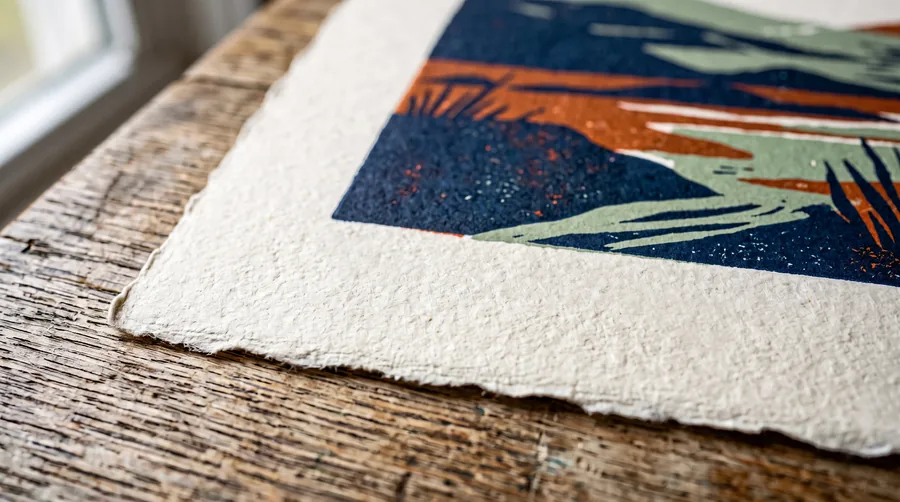
In figurative painting the surface serves the image. In abstraction the surface frequently is the image. Look for the order of operations: which colour went down first, which was painted wet into wet, which was allowed to dry and then covered. Thin washes that let the canvas breathe mean something different from a crust of impasto that took weeks to cure. A painting made in an afternoon and a painting made over a year can look similar in a photograph and nothing alike in the flesh.
The question is never what it means. The question is what it does to the room, and to you, and whether that changes after ten minutes.
A gallerist in Cologne, who asked not to be named
Scale is not size
A small painting that behaves like a large one, with big gestures cramped into forty centimetres, feels tense. A large painting with small, patient marks feels calm however loud its colours are. Ask yourself whether the painting is the right size for its gestures. Then ask whether the room is the right size for the painting. Abstraction is unusually sensitive to this: the same canvas reads as a monument in a small room and as a poster in a hall.
Colour, then the second colour
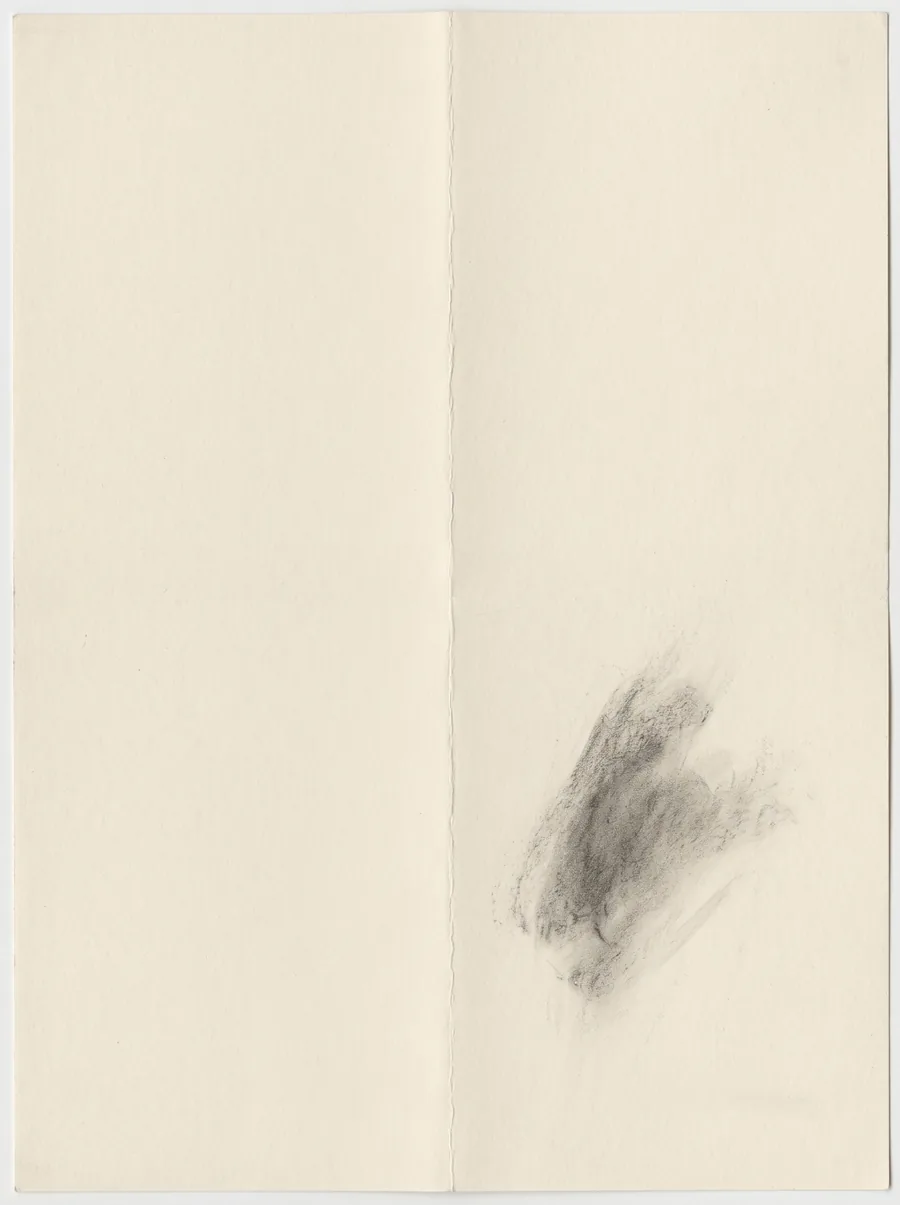
Name the dominant colour. Then find the colour that argues with it, which is usually small and often near an edge. Most abstract paintings are built on that argument: a field and an interruption. If you cannot find the interruption, the painting may be about something else, texture or rhythm or the absence of incident, and you can read it accordingly. If the interruption is the first thing you saw, the painter meant it to be, and everything else is there to make it land.
Four minutes
Give it four minutes by the clock. The first minute is recognition and the label. The second is the two distances. The third is the surface. In the fourth, something shifts: either the painting starts to bore you, which is information, or it starts to organise itself, which is the experience people who love abstraction keep returning for. Four minutes is longer than it sounds. Most galleries have a bench for a reason.
Where taste comes in
After you have done all of this you are entitled to a verdict, and the verdict is allowed to be no. Reading a painting well does not oblige you to like it. It obliges you to dislike it for reasons you could point at: a dead colour, a gesture that lost its nerve, a composition that leans on a trick. That is the difference between an opinion and a reaction, and it is the only thing that separates a collector from a shopper.
The reverse is also true. A painting you cannot stop looking at is telling you something about your own eye, and that is worth more than any explanation. Buy that one, if you can, and hang it at 150 centimetres.