Atelier 07 · Eight questions
Collector Type
A short diagnostic that reads your habits rather than your taste and returns one of six collector types, each with the works from the Show it would hang, the mistakes it tends to make and the Atelier tools that help.
A blank wall in your home makes you feel
At a fair you head first for
A work you bought three years ago
Your budget for a year of collecting
The room you would show a visitor first
How you feel about frames
A work that turned out to be a fake would
What you look at longest in a museum
Your type
The Minimalist
One work per wall, hung at 150 and lit at 30 degrees. You buy rarely, keep everything and clean the glass. Your risk is a room that reads as a showroom, so allow one object to be imperfect, and let one wall stay empty on purpose rather than by default.
Watch out for
- A single large work needs a wall two thirds wider than it: measure before you fall in love.
- Thin frames and museum glass. The frame is not the point.
- Dark walls will not suit you. A warm gallery white will.
Tools that fit


Your type
The Salon Hanger
You collect in clusters and love the wall more than any single piece. Corridors are your gallery, and every trip produces two more frames. Your risk is chaos, your cure is one rule held everywhere: frame colour, spacing or centre line.
Watch out for
- Paper templates before holes. Always.
- Choose one thing that never varies: the frame, the mat or the gap.
- Leave the far side of the cluster open, so the next work has somewhere to go.
Tools that fit
Your type
The Modernist
Scale is your medium. You would rather own one large canvas than five small ones, and you are right, provided the wall and the budget can take it. Your risk is buying the size before the work; the cure is patience and a tape measure.
Watch out for
- Two thirds of the furniture, and 30 centimetres from the ceiling: the tool will tell you what fits.
- Large works need two spots, not one.
- Shipping and installation are part of the price. Ask before the handshake.
Tools that fit

Your type
The Romantic
You buy stories: a drawing from a studio visit, a photograph from a trip, a print from a show you will never forget. Works on paper are your territory, so light and framing are your two enemies. Fifty lux, conservation glass, a north wall.
Watch out for
- Nothing on paper opposite a window.
- Cotton rag mats and Japanese hinges. Never dry mounting.
- Keep the invoices and the stories in one folder. That folder is the provenance.
Tools that fit
Your type
The Cataloguer
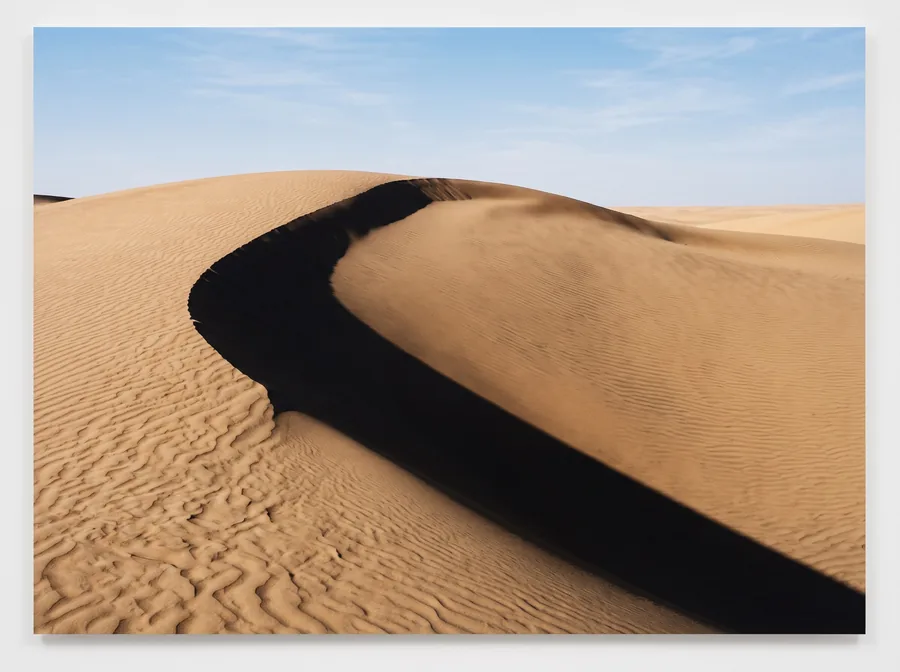
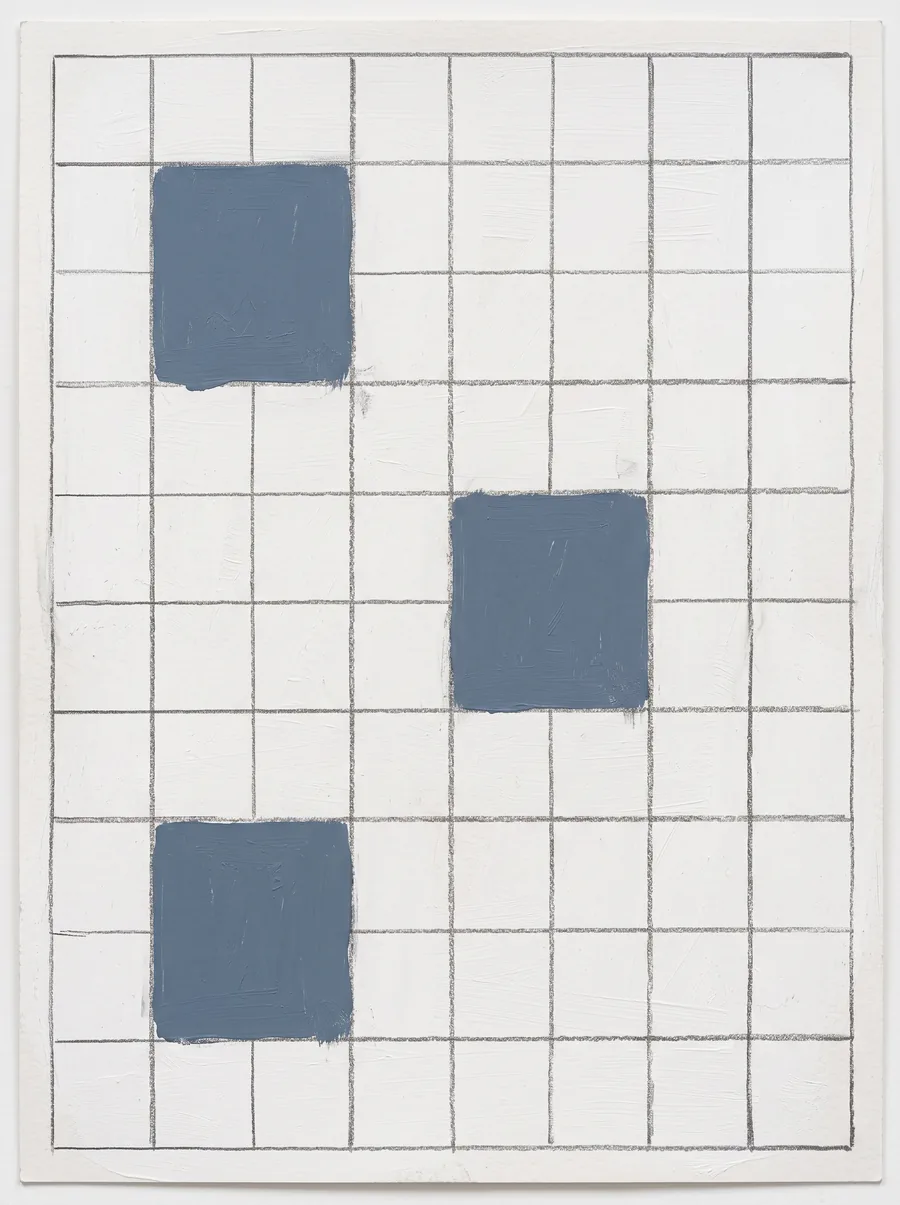
You collect in series: editions, a photographer's whole project, one artist over twenty years. Order is your pleasure and completeness your risk, because the last print of a set costs more than the first six together. Buy the ones you love in the order they appear.
Watch out for
- Identical frames for a series, always, bought at the start.
- Editions: read the numbers, ask about proofs, compare with sales of the same print.
- Drawers and portfolios are a legitimate way to own paper. Not everything needs a wall.
Tools that fit
Your type
The Object Collector
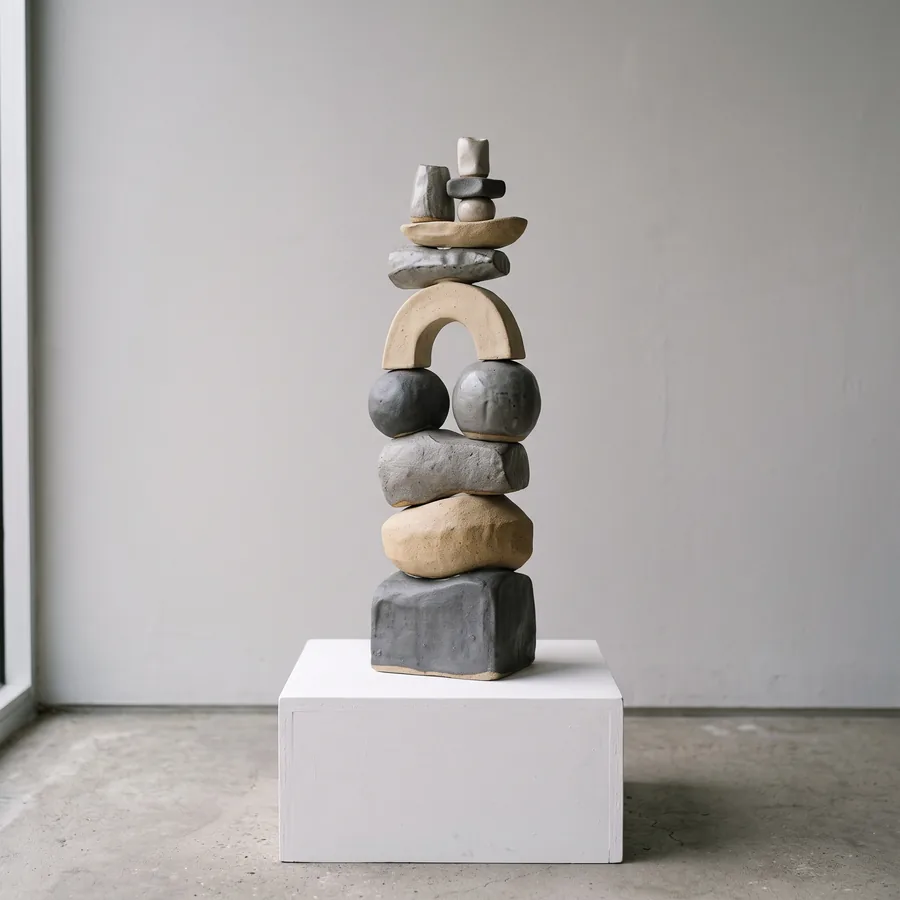
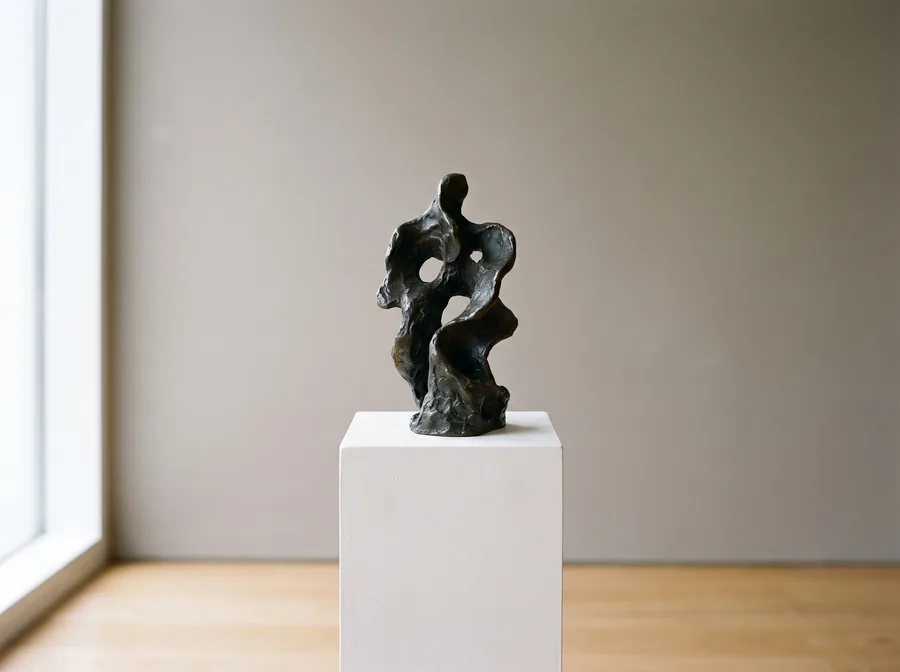
Chairs, lamps, ceramics, glass. You live with your collection rather than looking at it, and the Register is your reading. Your risk is the copy that looks right in a photograph; the cure is turning things over before you pay.
Watch out for
- Marks first, price second. Every classic has a place where it is signed.
- A room takes one classic. Two argue. Three is a showroom.
- Aniline leather, oiled wood, unlacquered brass: buy the materials that age.
Tools that fit

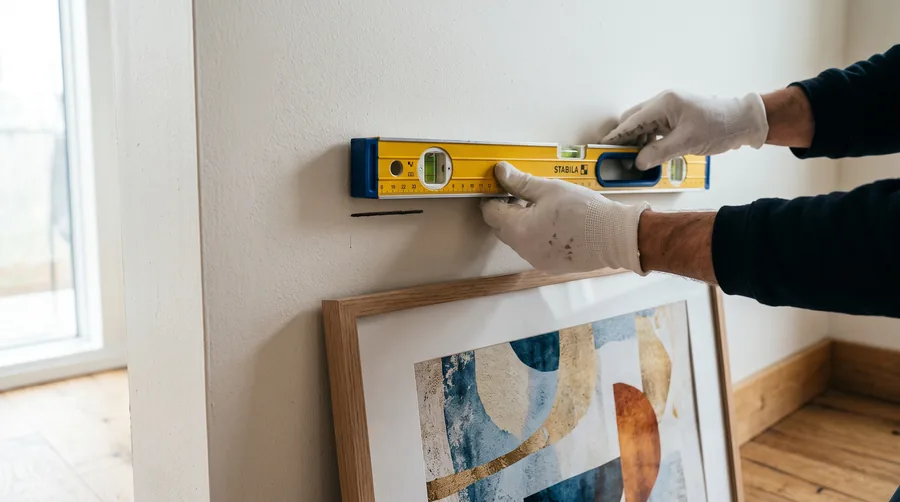 01
01The 150 line
Hanging Height
Height of the work, the furniture under it, the hardware on the back. Out comes the hook height in centimetres and where the second hook goes.
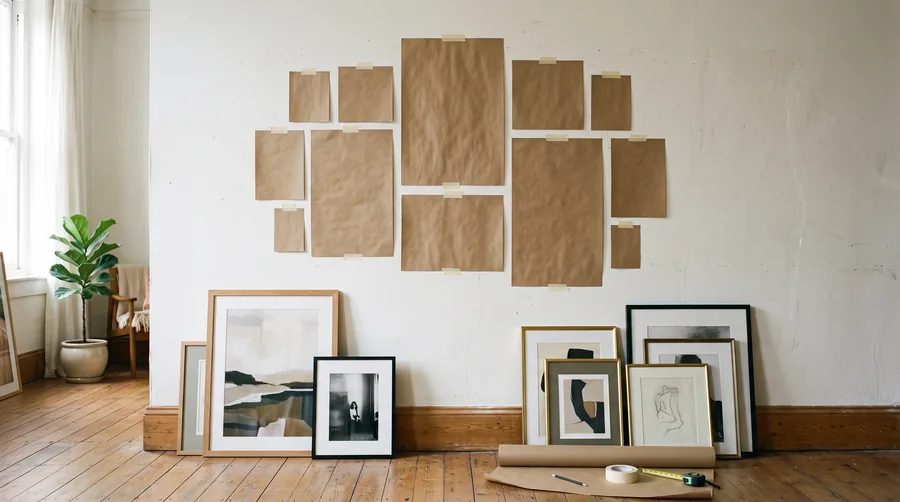 02
02Paper first, on screen
Gallery Wall
Your wall, your furniture, your frames, drawn to scale. Drag them into a composition, snap the gaps, print the layout with hook heights.
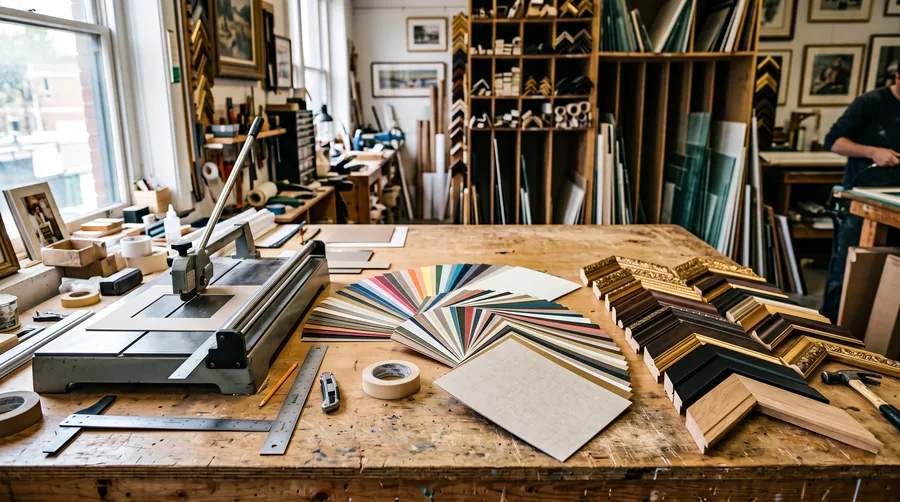 03
03Sizes and glass
Frame and Mat
Sheet size in, everything else out: mat borders with the weighted bottom, outer frame size, glass area, weight and a cost band by glazing.
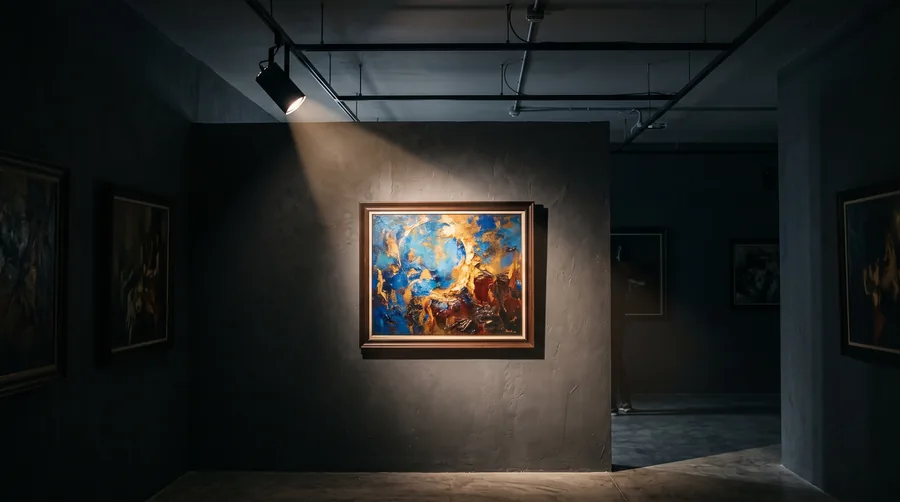 04
04Thirty degrees
Art Light
Ceiling height, centre of the work, what it is made of. Out comes the distance of the spot from the wall, the beam angle, the lux limit and how many years you have.