Design · Objects
What Makes a Chair a Classic
Not fame, not age, not a museum. A classic is an object that solved a problem so completely that sixty years of imitation could not improve on it, and that is still made the way it was drawn.
Every design magazine has a list of classics and every list has the same forty objects on it. The lists are right, which is suspicious, so it is worth asking what the forty have in common. The answer is not that they are beautiful, though most are. It is that each one settled an argument.
The problem solved
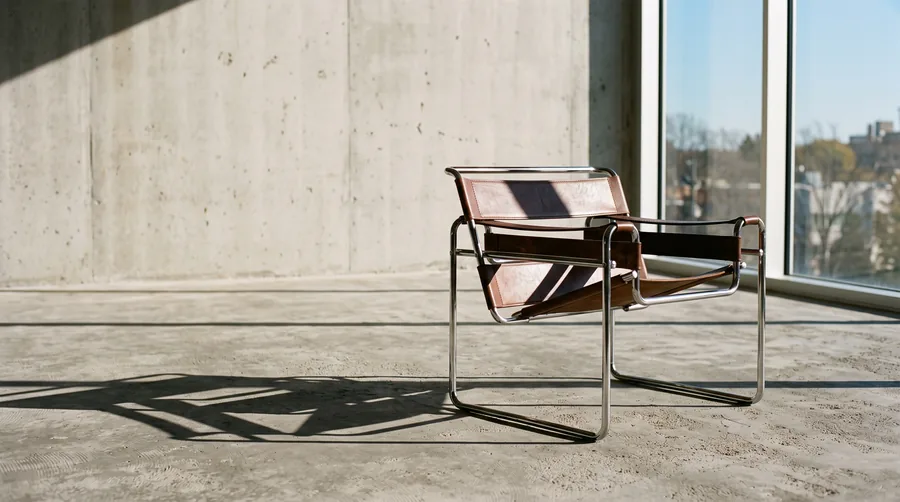
A chair from 1856 in bent beech settled the argument about how to make a light, cheap, strong chair from six pieces of wood and a few screws, and it is still made, in the same factory region, from the same six pieces. A lounge chair from 1956 in moulded plywood and leather settled how to make a club chair that looks like an engineered object. A plastic cantilever from 1967 settled whether a chair could be one piece. In each case the problem was real, the solution was complete, and every attempt since has been a variation.
That is the first test. A classic is not the first of its kind; it is the one after which the kind stopped changing.
Still in production
The second test is duller and more important. A classic is made today, by a manufacturer that holds the right to make it, to the designer's drawings, with the materials the designer specified or their closest modern equivalents. This is what separates a classic from an antique. An antique is an object that survived. A classic is an object that is still being born, and the maker's catalogue is its birth certificate.
Production tells you something else: the design survived contact with an accountant. It can be made at a price people pay, in quantities that keep a factory alive, for decades. Very few beautiful objects pass that test. The ones that do have usually been quietly re-engineered underneath, with new glues, new foams, new fixings, while the visible object stays the same.
A classic is a drawing that a factory has agreed to keep its word to.
A manufacturer's archivist in northern Italy
The other tests
A classic has a name that people who do not care about design still recognise, a designer whose other work is known, and a shape that can be drawn from memory in three lines. It has been copied, badly, by everyone. It has been photographed in a thousand rooms and looks like itself in all of them. And it has aged: the leather has gone soft, the chrome has dulled, the wood has darkened, and the object is better for it.
What a classic is not
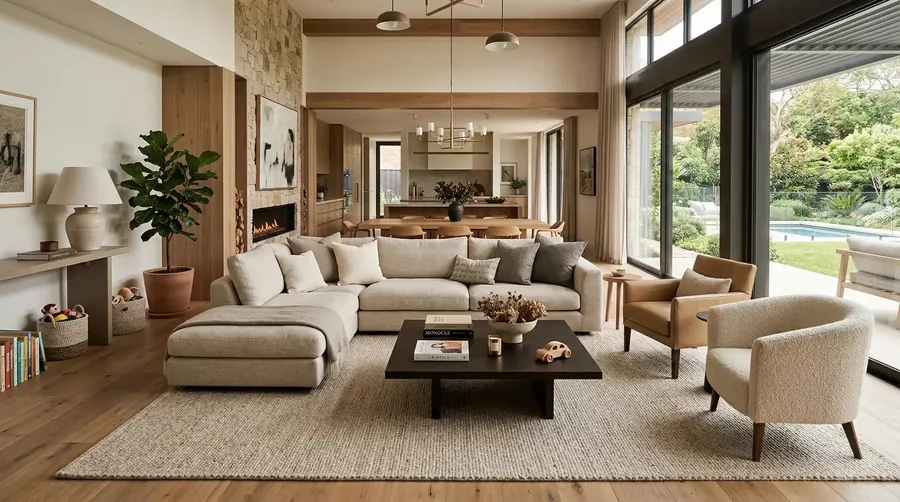
It is not the most expensive chair in the shop, though it is rarely the cheapest. It is not the newest, and it is not the oldest. It is not necessarily comfortable; several of the forty are notorious. And it is not a guarantee of taste. A room furnished entirely from the list looks like a hotel lobby designed by committee, because the objects on the list were never meant to sit together. Each was the only one in its room.
How to buy one
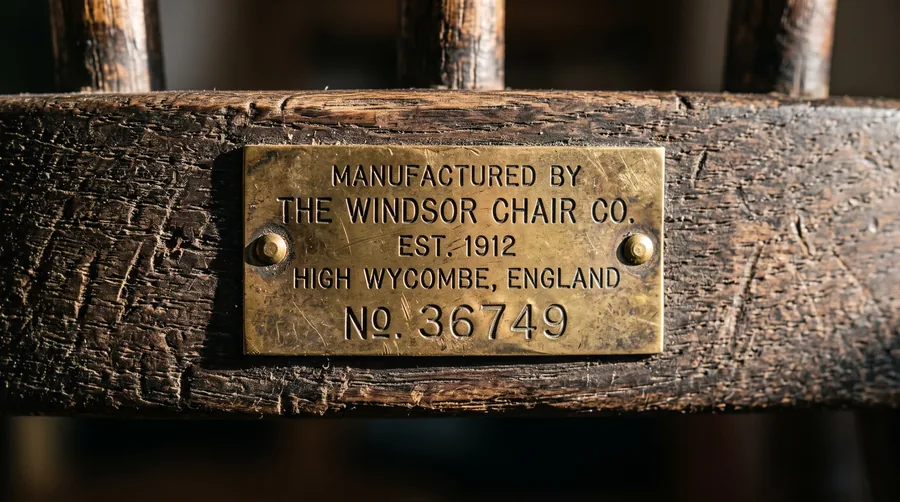
New, from the licensed manufacturer, through a dealer who will give you the paperwork: this is the safe route and the expensive one. Second-hand, from a dealer in vintage design, with the maker's marks checked and the condition described in writing: this is the interesting route and the one where the Register on this site earns its place, because the marks change by decade and the copies are good. What you should not do is buy the shape. The shape is free. The object is the drawing, the licence, the maker and the sixty years, and that is what the price is for.