Issue 01 · Autumn 2026
Live with
what you
look at.
Art, galleries, design and interiors, written for the wall you actually own. A virtual show you can walk through, eight tools that do the arithmetic, and a register of the objects worth the money.
What this is
A magazine about
looking, and what
happens after.
Most writing about art stops at the gallery door. garelia starts there. What a price is made of, how high the nail goes, which light will fade a drawing in a decade, why the chair is worth four thousand and the copy is not, and how a room is built around the work rather than the other way round.
No sponsored shows, no affiliate links, no cookies. Eight tools that run in your browser, a virtual show with nothing for sale, and a register that names names.
The Show · keep scrolling
Twenty-four works,
three rooms, no queue.

Oil on canvas · 120 × 160 cm
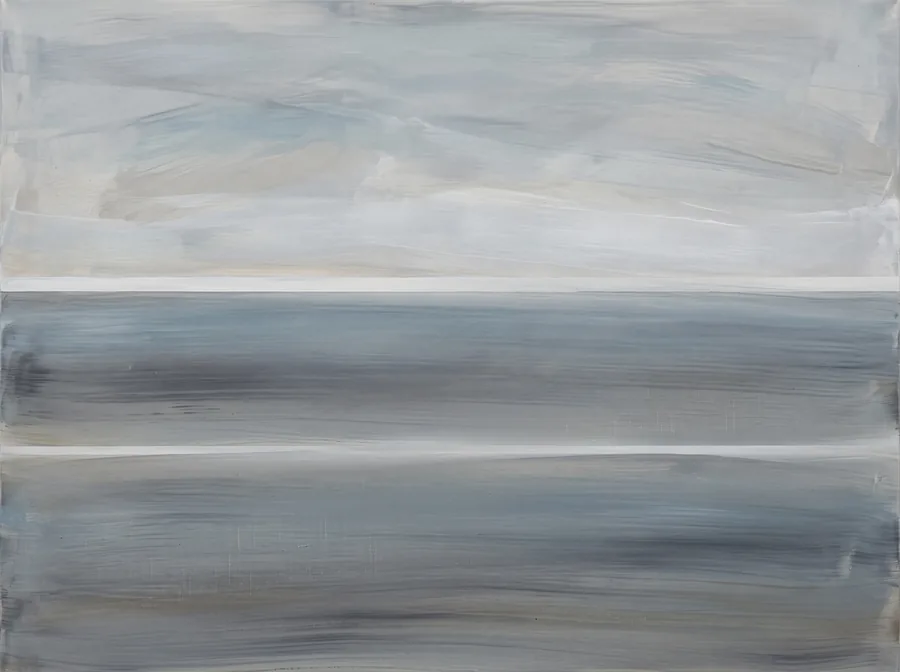
Oil on linen · 180 × 120 cm
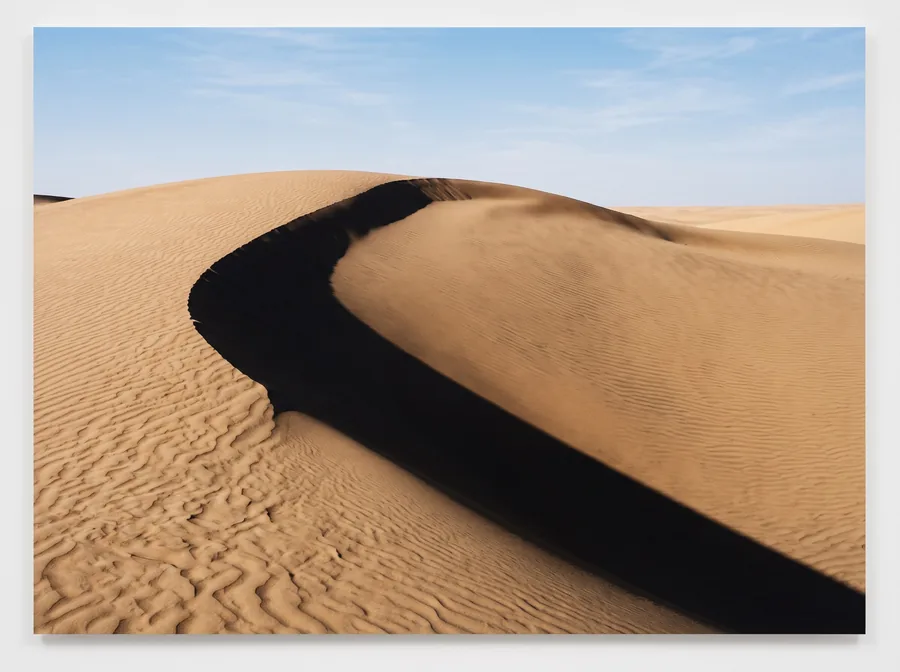
Pigment print · 150 × 112 cm

Pigment print · 90 × 90 cm

Blown glass · 38 × 52 cm
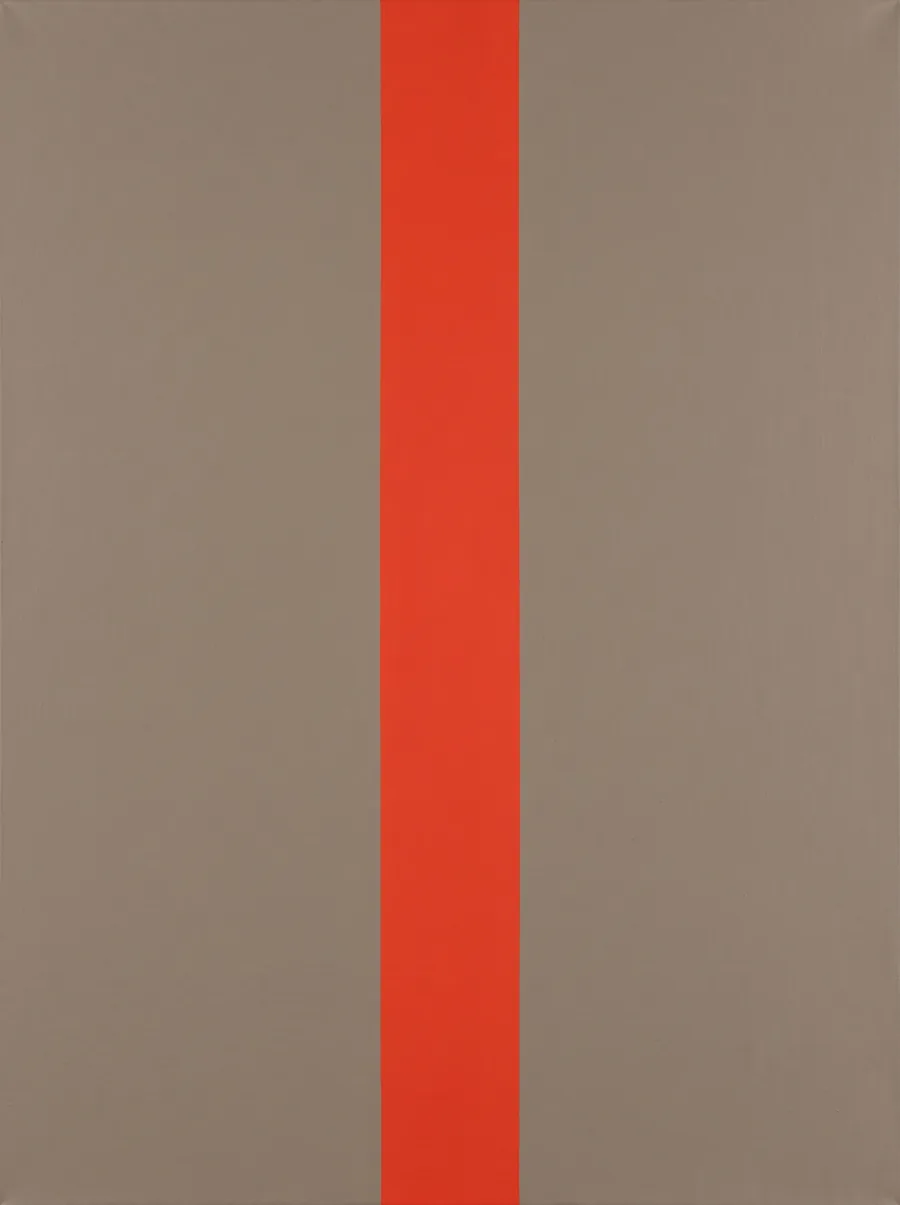
Acrylic on canvas · 100 × 130 cm

Oil on canvas · 90 × 120 cm

Ink on rice paper · 60 × 60 cm
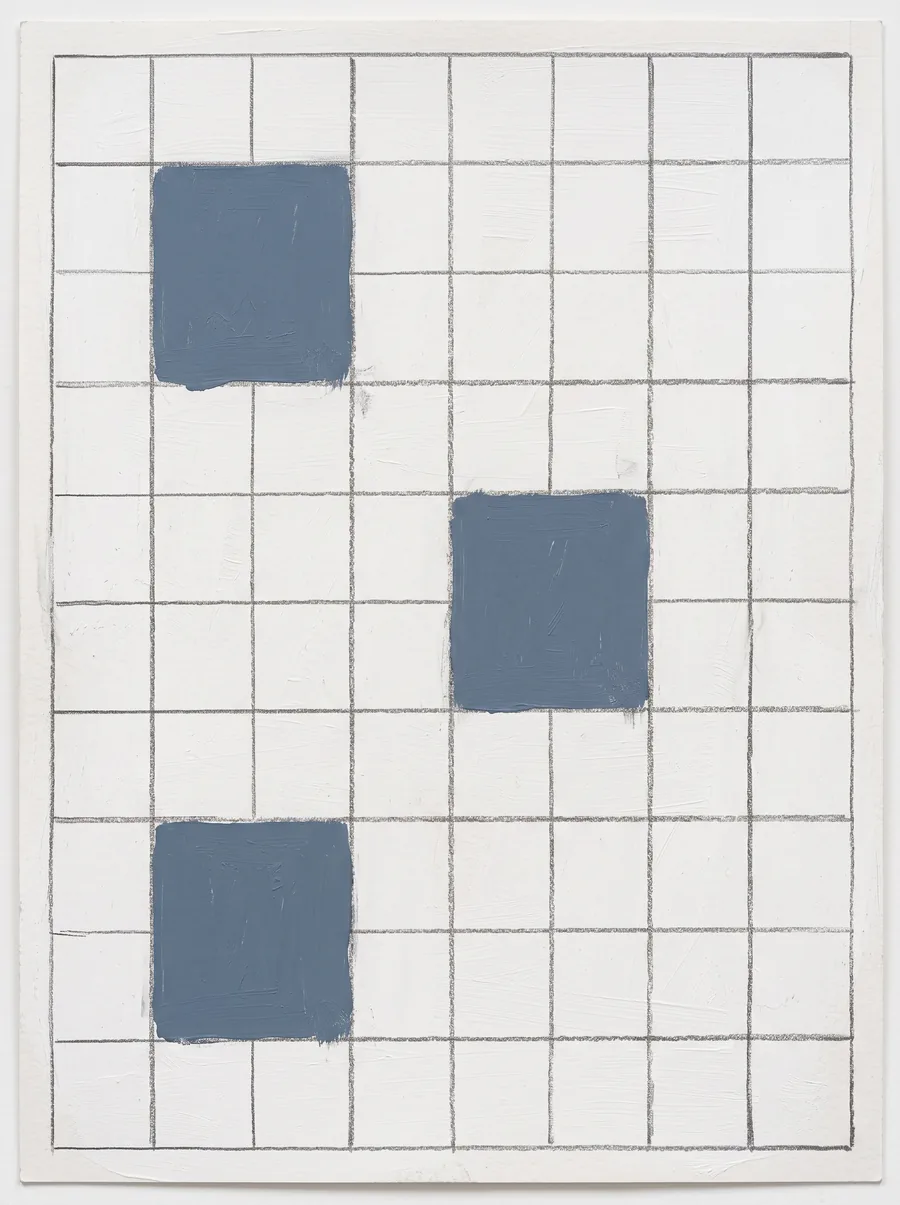
Graphite and gesso on panel · 75 × 100 cm
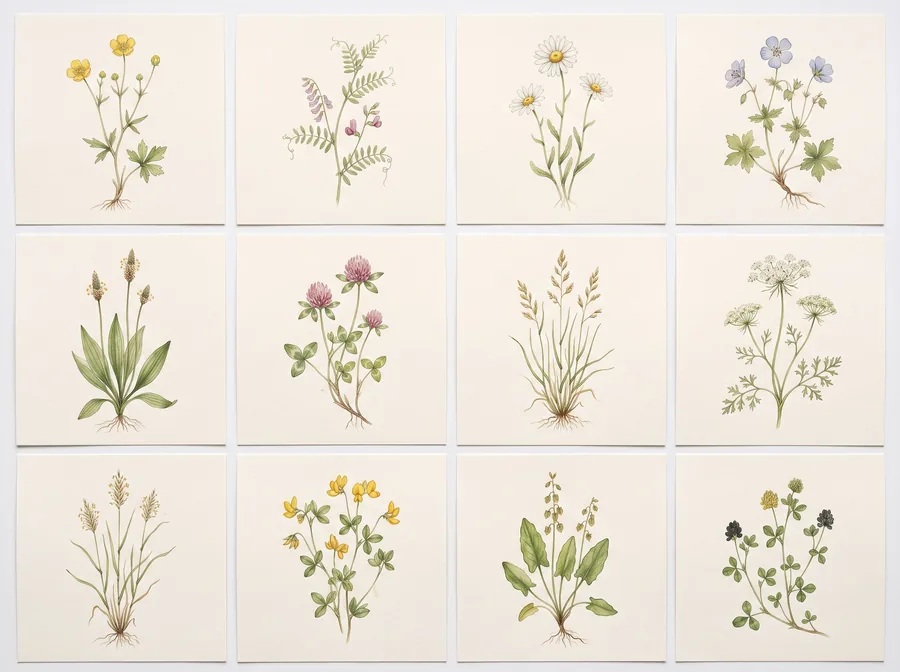
Watercolour on paper · 120 × 90 cm
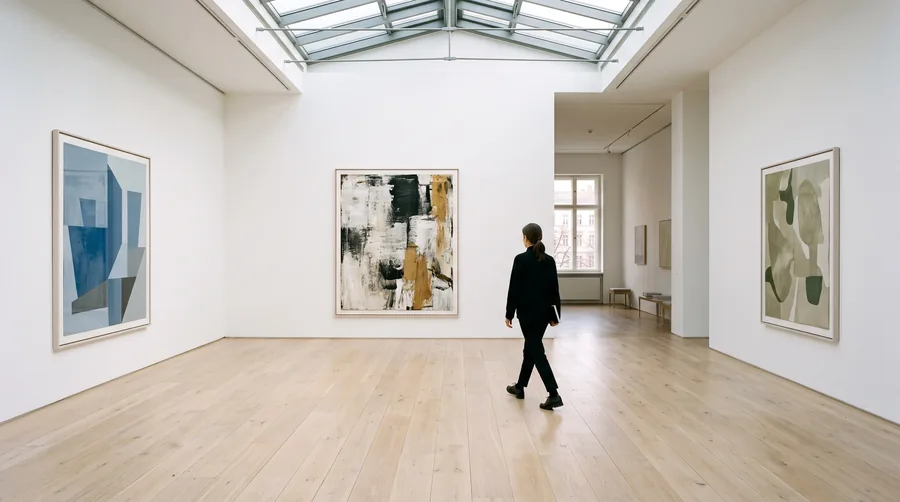
A show that exists only here. Walk the corridor, stop in front of anything, read the wall label, collect what you would hang, and curate your own room from it.
 Art
ArtLooking
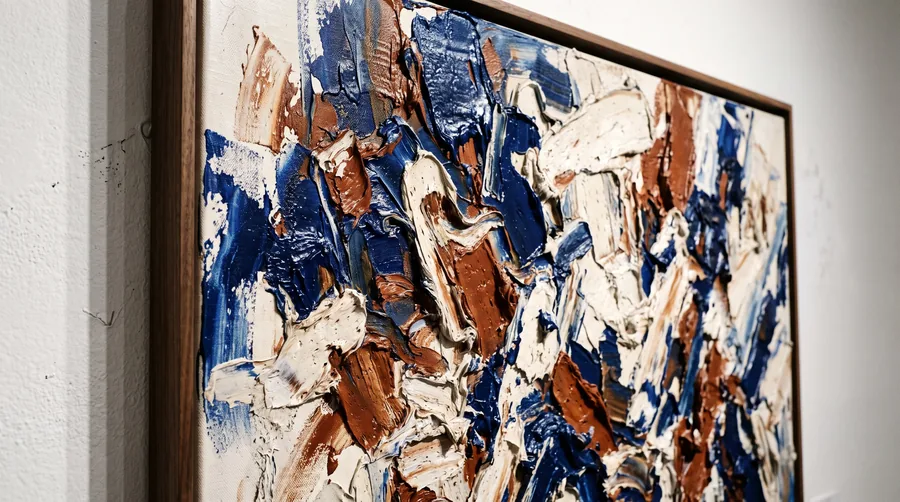
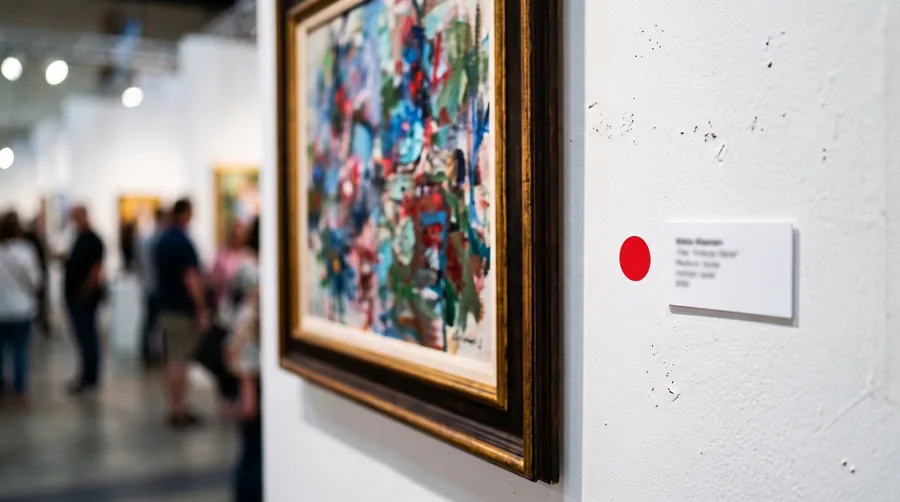
How to Read an Abstract Painting
There is nothing to get. There is a great deal to see, and most of it takes four minutes, two distances and one question you are allowed to ask out loud.
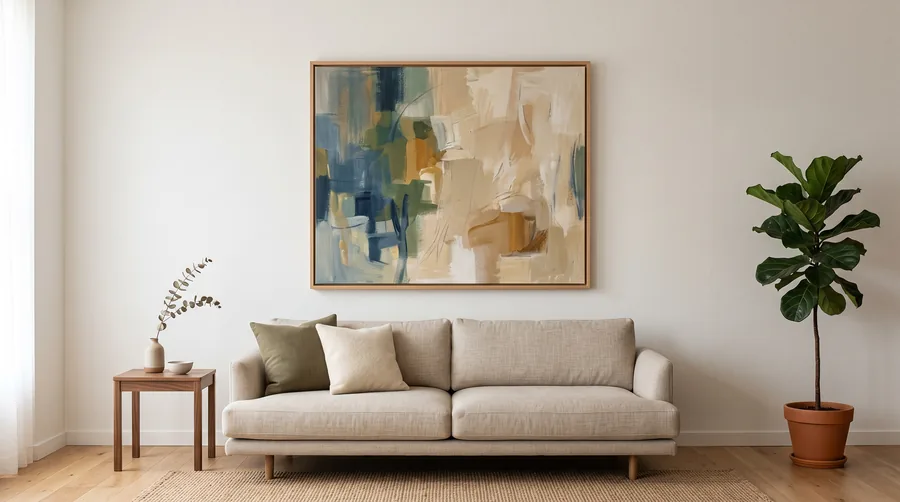
How to Hang Art at Home
Most pictures in most homes hang fifteen centimetres too high, because the person on the ladder was standing up and the person who looks at them is sitting down. The 150 centimetre line fixes it. So do six more rules.

What a Gallerist Actually Does
Not selling, mostly. Waiting, paying, shipping, arguing with museums, writing emails nobody answers, and once every few years being right about somebody before anyone else was.

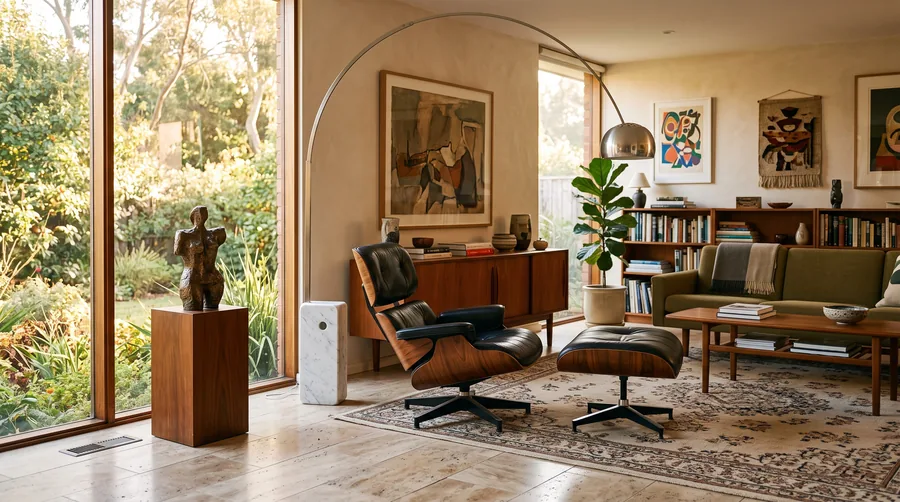
What Makes a Chair a Classic
Not fame, not age, not a museum. A classic is an object that solved a problem so completely that sixty years of imitation could not improve on it, and that is still made the way it was drawn.
Four sections
Interactive · tap the points
Anatomy of
a good hang.
Nobody notices a well hung wall, which is the whole point. It is six decisions, none of them expensive, most of them measured in centimetres, taken in this order.

Every story





Three questions
What kind of
collector are you?
Not a taste test. A test of how you live: how much wall you have, how much you like to look, how long you can stand a thing you bought on impulse.
A blank wall in your home makes you feel
At a fair you head first for
A work you bought three years ago
You lean towards
The Minimalist
One work per wall, hung low and lit well. You buy rarely and keep everything. Your risk is a room that reads as a showroom, so let one object be imperfect.
You lean towards
The Salon Hanger
You collect in clusters and love the wall more than any single piece. Your risk is chaos, your cure is one rule held everywhere: frame colour, spacing or centre line.
You lean towards
The Modernist
Scale is your medium. You would rather own one large canvas than five small ones, and you are right, provided the wall can take it. Measure first.
You lean towards
The Romantic
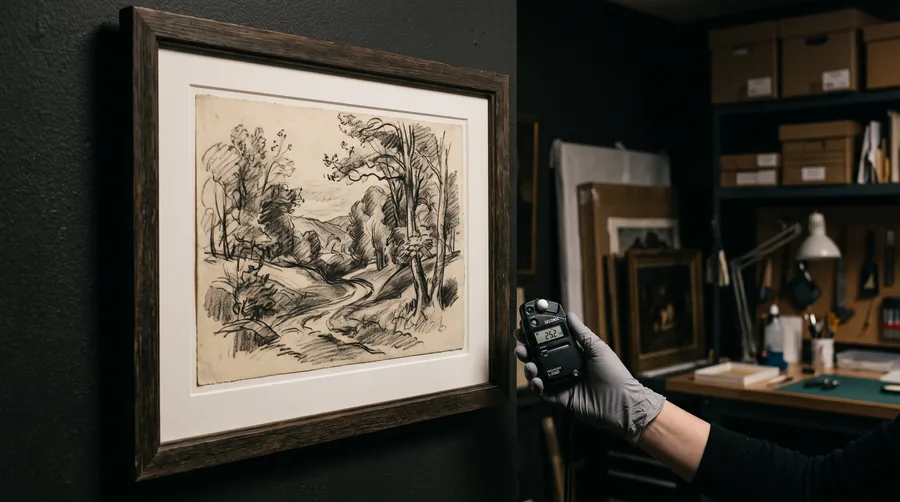
You buy stories: a drawing from a studio visit, a photograph from a trip. Works on paper are your territory, so light and framing are your two enemies. Fifty lux, museum glass.
Eight instruments for the decisions people usually guess: how high, how big, how bright, how much. All of them run in your browser and send nothing anywhere.
 01
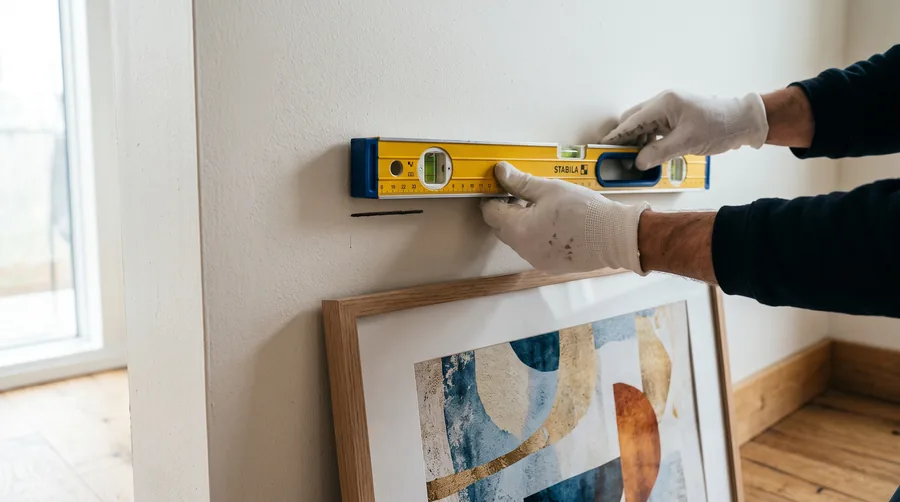
01The 150 line
Hanging Height
Height of the work, the furniture under it, the hardware on the back. Out comes the hook height in centimetres and where the second hook goes.
 02
02Paper first, on screen
Gallery Wall
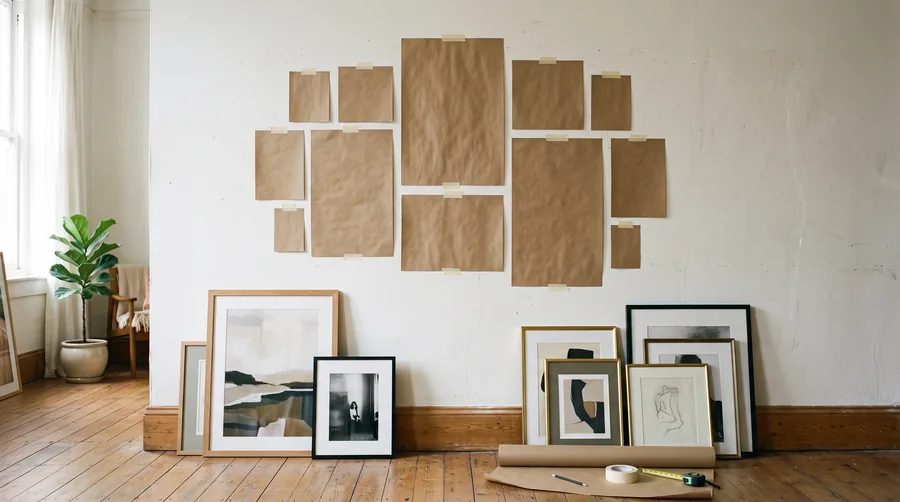
Your wall, your furniture, your frames, drawn to scale. Drag them into a composition, snap the gaps, print the layout with hook heights.
 03
03Sizes and glass
Frame and Mat
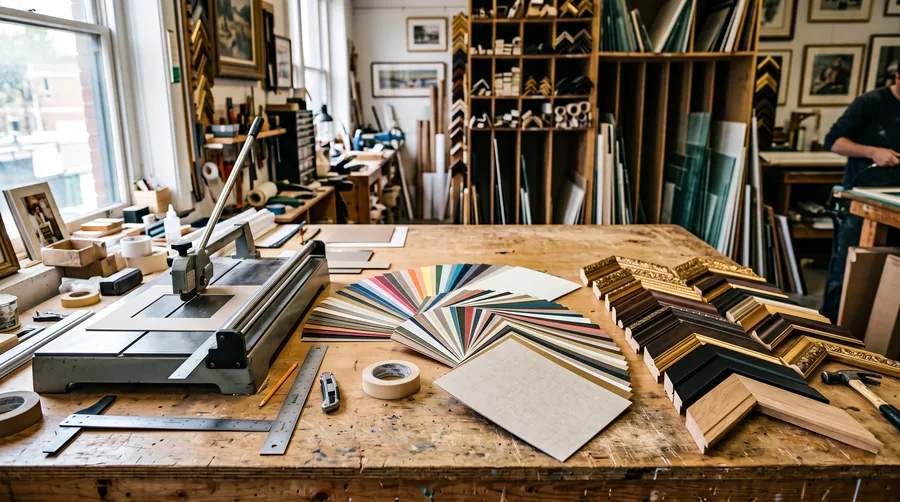
Sheet size in, everything else out: mat borders with the weighted bottom, outer frame size, glass area, weight and a cost band by glazing.
 04
04Thirty degrees
Art Light
Ceiling height, centre of the work, what it is made of. Out comes the distance of the spot from the wall, the beam angle, the lux limit and how many years you have.
 05
05Colour from the canvas
Palette from a Work
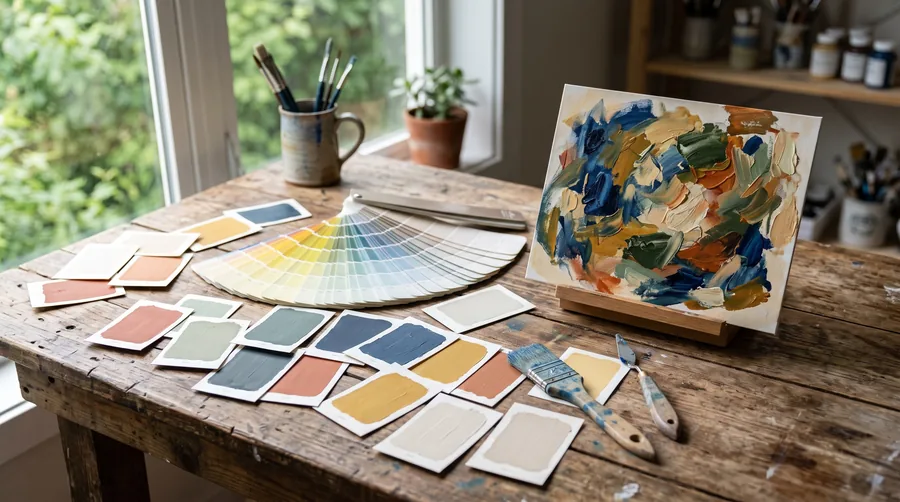
Load a photograph of the work. The tool reads its five main colours in order of area and turns them into a wall, two textiles and one accent, with the hex codes.
 06
06Two thirds
Scale Finder
Sofa width, wall width, ceiling. Out comes the right size for one work, a pair or a triptych, drawn to scale above your furniture.
 07
07Eight questions
Collector Type
Not what you like. How you live with it: walls, patience, budget, the urge to rearrange. One of six collector types comes back, with three works from the Show and the tools that fit.
 08
08Numbers in the margin
Edition Guide
Print type, edition size, signature, the stage of the artist, condition and where it came from. The tool turns them into a share of what a unique work by the same artist costs.
The Register
48 objects that
earned their place.
Chairs, lamps, tables, shelves, sofas and objects that have stayed in production for decades, with the designer, the year, the maker, the price band and the one detail that separates an original from a copy.
The Atlas
Where the
galleries are.
Twelve cities, their gallery streets and the months when the fairs come to town. Enough to plan a weekend that is not wasted.
A collection is not the things. It is the decisions, and a decision looks best at eye level.
garelia, issue 01