03 · Objects that earned their place
Design
What turns a chair into a classic, how to tell an original from a reissue and a reissue from a fake, why the lamp decides the room, and which materials get better as they get older.
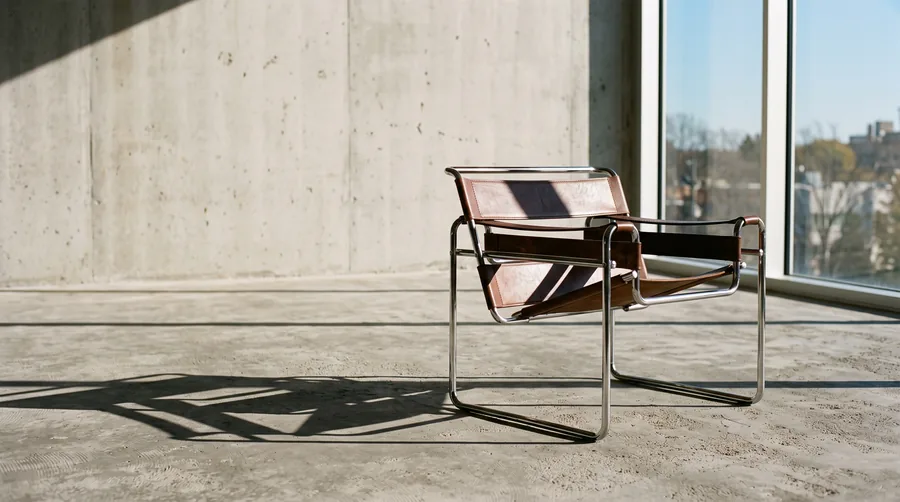
Objects
What Makes a Chair a Classic
Not fame, not age, not a museum. A classic is an object that solved a problem so completely that sixty years of imitation could not improve on it, and that is still made the way it was drawn.
3 further stories
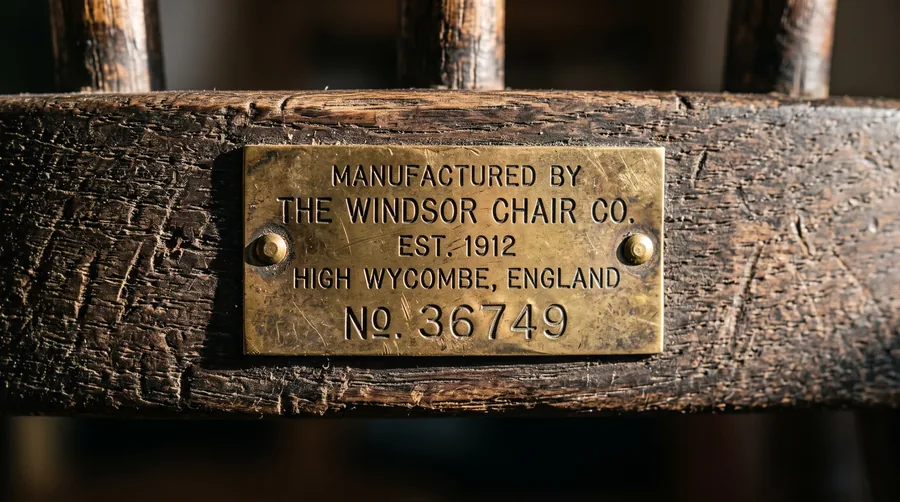
Original, Reissue, Fake
Three chairs, one shape, prices a decade apart. The marks under the seat, the weld on the frame and the weight in your hands tell them apart, and so does the invoice.

The Lamp Decides the Room
Furniture is what a room contains. Light is what a room is. The one object worth over-spending on is the one that is switched on after dark, and the classics of lighting are classics because they understood that.

Materials That Age Well
Some surfaces record their life and become handsome. Others record it and become shabby. Knowing which is which before you buy is the difference between an object at sixty and a replacement at six.
From the Show
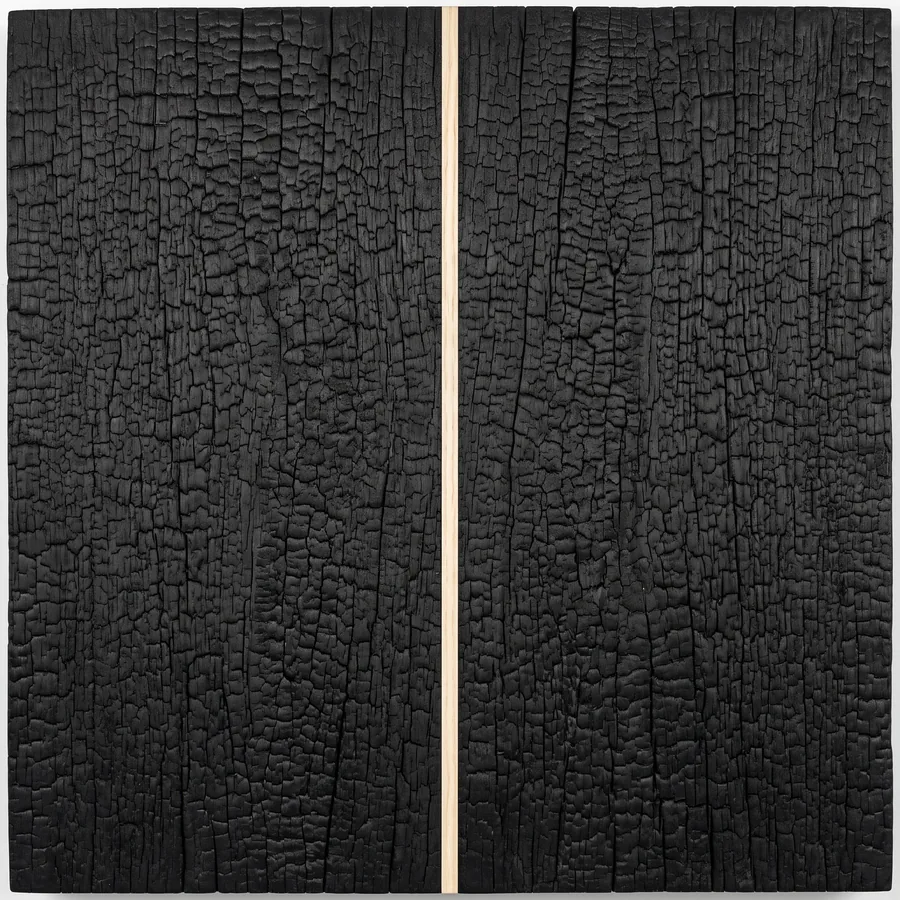
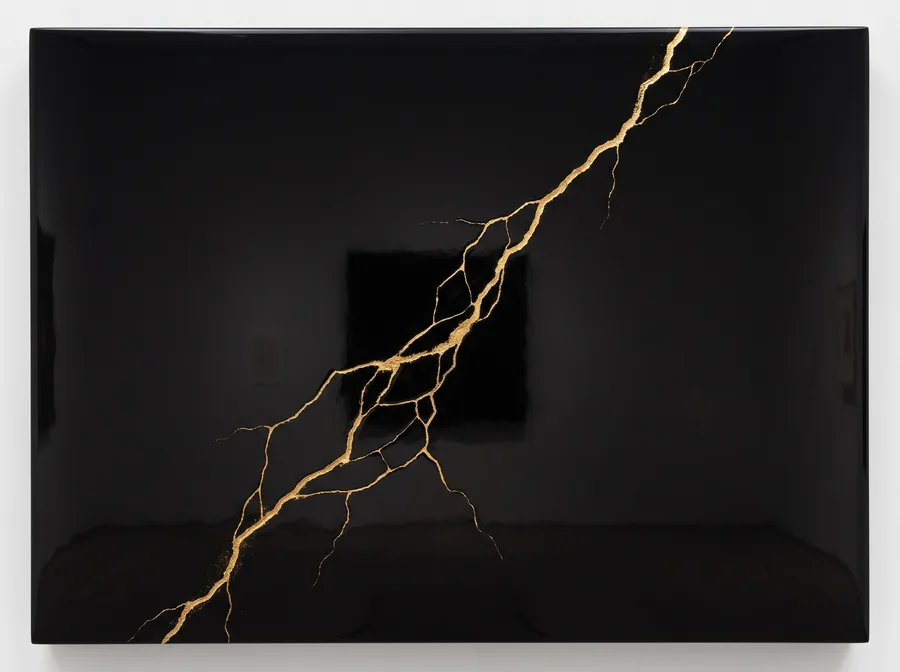
Four works
to stand in front of.
Every section of the magazine has walls in the Show. These are hanging in it now.
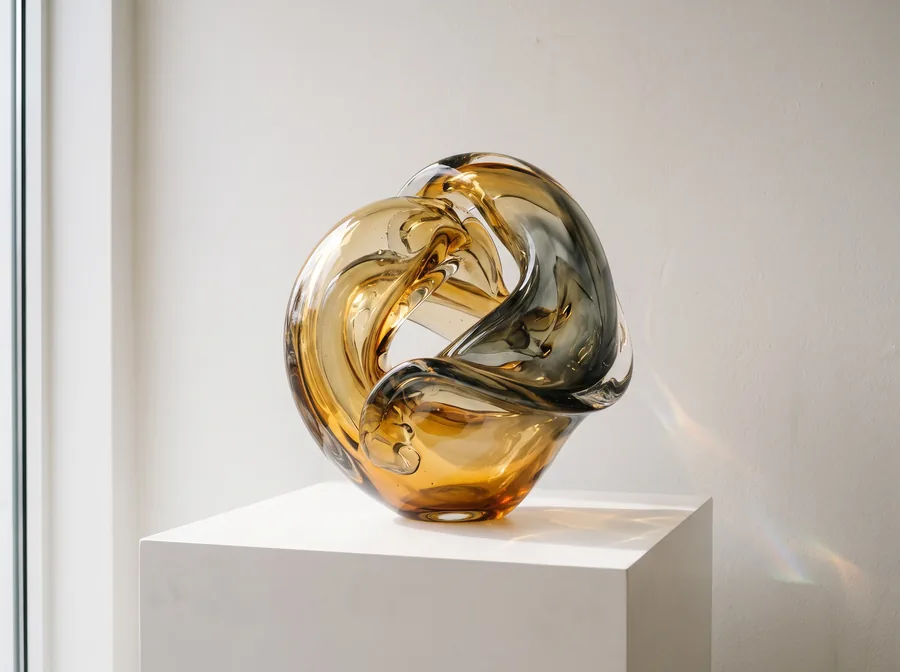
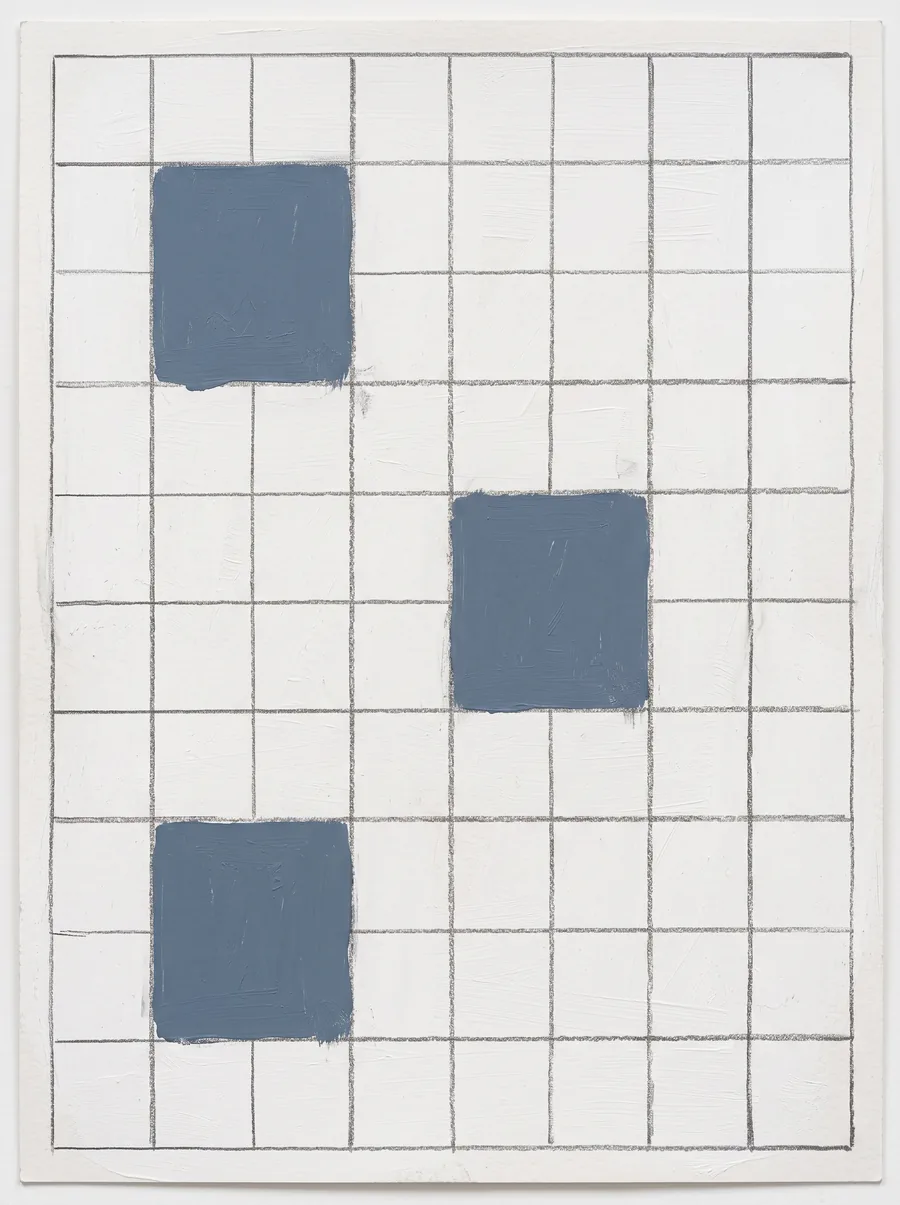
Objects from the Register that belong to this section, with the detail that separates the original from the copy.
The whole Register1929 · Knoll
Barcelona Chair
The maker stamps the designer's signature and its own logo into the frame. Copies are lighter, the steel thinner, the welds visible.
1956 · Herman Miller, Vitra in Europe
Eames Lounge Chair and Ottoman
A medallion or label under the seat with the maker's name; the ottoman is labelled separately. Copies get the shell curve and the tilt of the headrest wrong.
1925 · Knoll
Wassily Chair
Signature and logo stamped on the frame. The tube on an original is seamless and the leather is thick saddle hide.
1958 · Fritz Hansen
Egg Chair
A label under the seat with the maker's name and a production year. The shell of a copy is thicker and the tilt mechanism does not return.
1955 · Fritz Hansen
Series 7 Chair
Label under the seat, and the shell is nine layers thin enough to flex. Copies use a thicker shell that does not.
1949 · Carl Hansen and Son
Wishbone Chair
The maker brands its logo and the designer's name under the seat frame; older pieces carry a stamp. The paper cord seat takes about 120 metres of cord and an hour to weave.
 03
03Sizes and glass
Frame and Mat
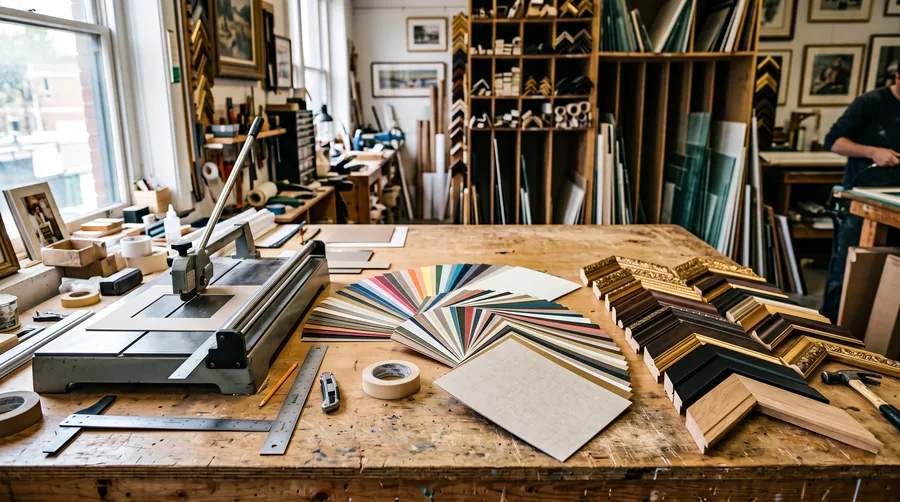
Sheet size in, everything else out: mat borders with the weighted bottom, outer frame size, glass area, weight and a cost band by glazing.
 05
05Colour from the canvas
Palette from a Work
Load a photograph of the work. The tool reads its five main colours in order of area and turns them into a wall, two textiles and one accent, with the hex codes.