Art · Collecting
The First Work You Buy
It will be smaller than you imagined, cost more than you planned once the frame is paid, and hang in the wrong place for a year. Buy it anyway, from a gallery, with an invoice, after looking at a hundred others.

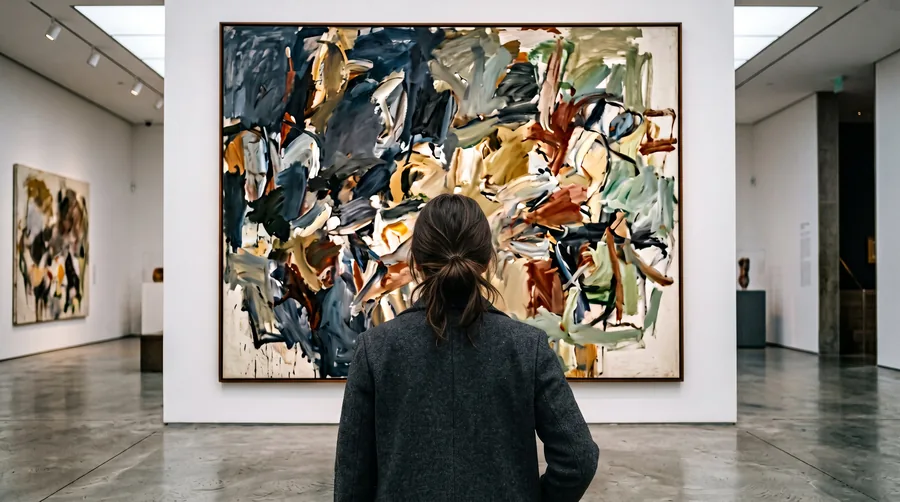
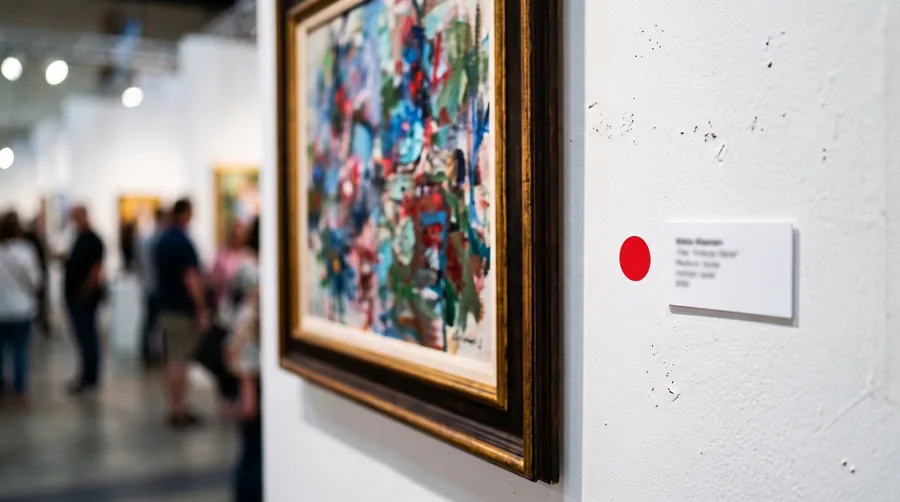
There is a moment, usually in a gallery on a Saturday afternoon, when a person who has looked at art for years realises they could own some. It arrives as a small shock. Prices are on a list at the desk. The list has works on it for less than a good sofa. Nothing prevents you except a habit of assuming the door was locked.
The first purchase is the one people remember, and it is also the one they most often get wrong, not by buying badly but by buying nervously: too small to be seen, too safe to be loved, or from a source that cannot tell them what they bought. Here is how to do it well.
Look at a hundred things
The single best investment before a first purchase is time. Visit ten galleries, two fairs and a degree show. Keep a note of what stopped you and, more importantly, what you thought about the next morning. Taste is not a possession, it is a record, and after a hundred works the record shows a pattern. Most people find that they are drawn to fewer things than they expected and that those things have something in common they could not have named at the start.
Where to buy
Buy the first work from a gallery. Not because galleries are noble, but because a gallery gives you three things you cannot get from a website, an auction or a studio you found on a social feed: a price that has been set with some care, an invoice that begins the work's provenance, and a person who will answer the telephone in five years when you want to sell it, insure it or find out where the artist went.
Degree shows and open studios are good places to look and fair places to buy, at lower prices and higher risk. Auctions are for the second and third purchase, when you know what you are looking at. Online marketplaces are the place to compare prices, not to spend money.
The best first purchase is the one you can explain. Not justify. Explain.
An art adviser in Zurich
What to spend
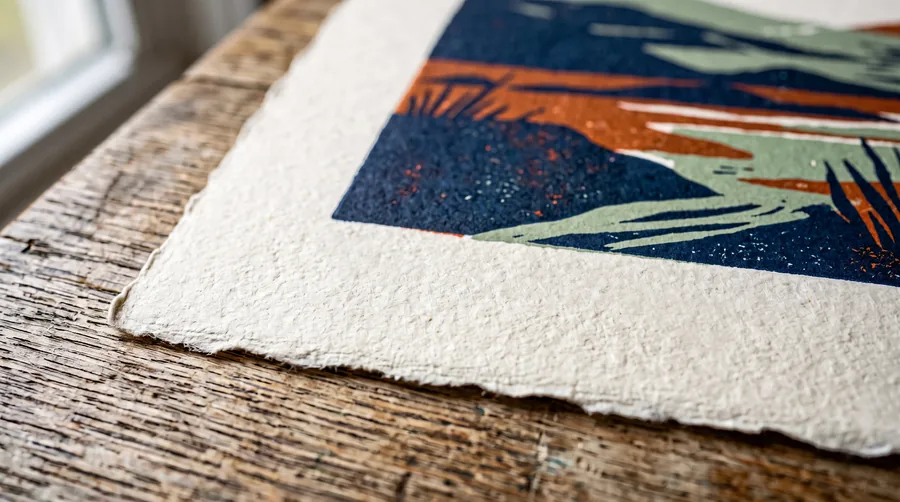
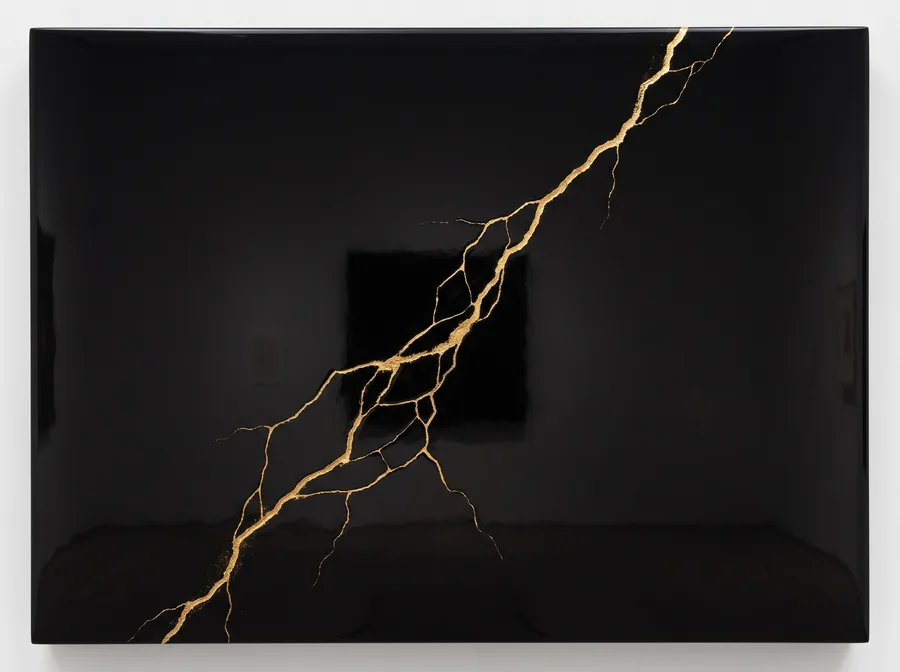
Whatever the number is, take fifteen percent off it for framing, shipping and, if you buy abroad, tax at the border. A 2,000 euro budget buys a 1,700 euro work. Within that, a drawing or a small painting by an artist at the start of a career, or a print from a small edition by an artist further along, are the classic answers, and they are classic because they work. Both hold their value reasonably, both are easy to hang, and both teach you something about living with a thing.
Do not buy for investment. The primary market is a slow escalator, not a lift, and the works that turn out to be worth ten times their price a decade on were almost never bought by people who were counting on it. Buy for the wall, and let the escalator do what it does.
Questions to ask at the desk
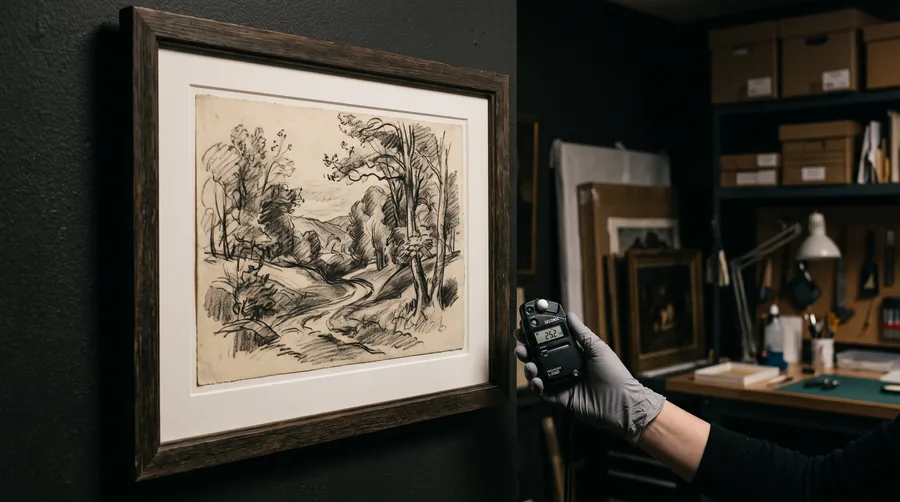
Is this the price with tax. Is there a discount for a first-time buyer, which is a fair thing to ask and often answered yes. What is the condition, and is there anything I should know about the materials. Can I see the back. Can I take it home for a week and bring it back if it fails, which many galleries allow and few advertise. Is it framed, and if so by whom, and if not, who would you recommend. Then: what else by this artist is coming, and could I be told about it.
Where it goes
The first work will be hung in the wrong place. This is normal, and the reason is that a work changes a room and the room has not yet adjusted. Give it a month, then move it, then move it again. The Atelier's hanging tool gives the height; the rest is trial. When it settles, you will find it has organised the room around itself, which is the moment you understand what the people who collect are actually doing.
They are not accumulating. They are making decisions, one wall at a time, and living inside them. The first decision is the hardest and the cheapest. After it, the door is open.